The Greater Vancouver Sewerage and Drainage District is suing Maxxam Analytics International Corp. and Covanta Burnaby Renewable Energy ULC for allegedly failing to properly test fly ash samples from the district’s waste-to-energy facility in Burnaby.
The district filed a notice of civil claim in BC Supreme Court on October 16. Covanta, according to the claim, operates the incinerator plant under contract with the district, and the facility generates fly ash which has to be treated before leaving the plant and tested monthly to ensure compliance with hazardous waste regulations.
Non-hazardous fly ash is taken and disposed of at the Cache Creek landfill, the claim says. Samples analyzed by Maxxam in the summer and fall of 2012, however, came back indicating high levels of cadmium that exceeded acceptable levels allowed for disposal at the landfill.
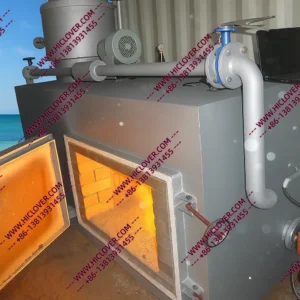
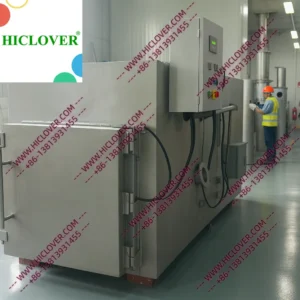
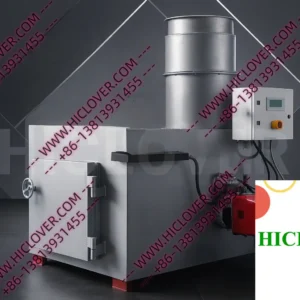
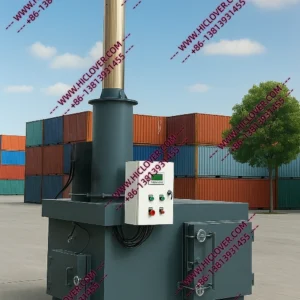
HICLOVER is growing brand for environmental protection field, and market share with most of Africa, Middle East, Southeast Asia countries and part of North America, Europe territory. We are trusted partner for governmental organizations, non-profit organizations, international contractors, logistics organizations, military, pet cremation business owners, etc. We have export experience more than 40 countries, including war zone like Iraq, Afghanistan, Somalia, South Sudan. Mobile: +86-13813931455(WhatsApp) Website: www.hiclover.com Email: [email protected] Email: [email protected]
The results, the district claims, “called into question the effectiveness of the treatment of fly ash” at the facility, forcing the plaintiff to incur costs by requiring more sampling and testing, investigating the cause of the high cadmium levels and finding an alternate disposal site for fly ash in Alberta. After the Ministry of Environment hit the district with an advisory letter of non-compliance, the plaintiff hired “consultants, experts and legal counsel” to help investigate.
An audit of Maxxam’s laboratory found that it didn’t follow proper methods, called the “Toxic Characteristic Leaching Procedure” and the “United States Environmental Protection Agency Method 1311” to test the fly ash, according to the lawsuit. The Ministry of Environment’s assessment found Maxxam’s results unreliable due to improper testing procedures and found that “Covanta’s quality control and quality assurance protocols at the WTEF [Waste-to-Energy Facility] were not sufficiently developed to identify if leachability was occurring or if a problem with the treated fly ash and/or the treatment system was occurring,” the claim states. In addition, the ministry found that Covanta couldn’t easily “provide assurance that the treated fly ash met the hazardous waste requirements under the Hazardous Waste Regulation.”
The district seeks damages for negligence, misrepresentation, negligent performance of a service and breach of contract. The allegations have not been proven in court and the defendants hadn’t filed responses to the claim by press time.
Technical Comparison of HICLOVER Waste Incinerators for Diverse Applications What are the key features of HICLOVER waste incinerators? HICLOVER waste incinerators are designed with advanced engineering standards,…
Advanced HICLOVER Waste Incinerators: Integrating Engineering Precision with Economic Efficiency The adoption of advanced Somalia pet incinerator systems, which comply with high industrial standards and specific temperature…
HICLOVER Waste Incinerators: Cost-Effective Solutions for Global Waste Management Informational Layer: Understanding Waste Incineration Waste incineration is a waste treatment process that involves the combustion of organic…
HICLOVER Waste Incinerators: Engineering Reliability and Global Market Leadership in Waste Management 1. What are waste incinerators and how do they work? Waste incinerators are specialized incineration…
Average 20%-25% of the total waste generated by healthcare establishments is regarded as hazardous and may create a variety of health and environmental risks if not managed…
animal incinerator prices according to the capacity or the size want to cremation. The pet cremation equipment humanized design with movable platform, small space covers for modern…