Bridging the “Blank Spots” in Medical Waste Management at Small Hospitals and Township Clinics
Across many developing regions, small hospitals and township health centers serve as the frontline of public healthcare. Yet these facilities often face a critical challenge―how to safely and efficiently dispose of medical waste. This “blank spot” in medical waste management not only threatens environmental health but also increases infection risks among healthcare workers and nearby communities.
The Hidden Risk Behind Inadequate Disposal
Small and rural clinics typically generate far less waste than large urban hospitals, but the composition is equally hazardous―used syringes, dressings, laboratory samples, and pharmaceutical residues. Without proper incineration or sterilization systems, much of this waste is handled like domestic garbage or burned in open pits. Such methods release toxic emissions, contaminate soil and water, and contribute to the spread of infectious diseases.
HICLOVER is growing brand for environmental protection field, and market share with most of Africa, Middle East, Southeast Asia countries and part of North America, Europe territory. We are trusted partner for governmental organizations, non-profit organizations, international contractors, logistics organizations, military, pet cremation business owners, etc. We have export experience more than 40 countries, including war zone like Iraq, Afghanistan, Somalia, South Sudan. Mobile: +86-13813931455(WhatsApp) Website: www.hiclover.com Email: [email protected] Email: [email protected]
Why Centralized Waste Systems Fail at the Local Level
Centralized treatment facilities are often located far from rural areas. Transportation of infectious waste requires specialized vehicles and strict containment protocols, which are costly and logistically difficult for small clinics. As a result, many local healthcare units are forced to store, bury, or illegally dump medical waste―creating long-term public health hazards.
Decentralized Incineration: A Practical and Safe Solution
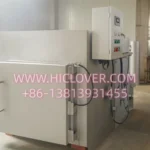
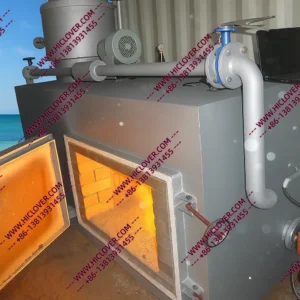
Deploying small and medium-scale medical incinerators directly at township hospitals offers a practical solution. Units such as containerized or mobile incinerators can handle 50C200 kg of waste per hour and meet WHO emission guidelines when equipped with secondary combustion and gas treatment systems.
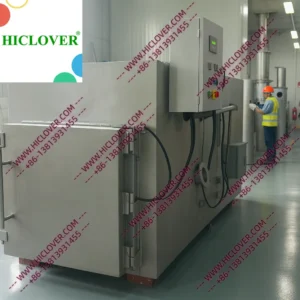
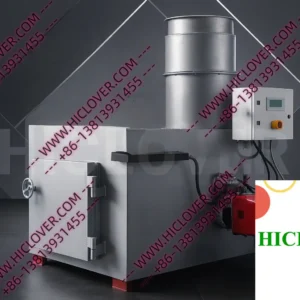
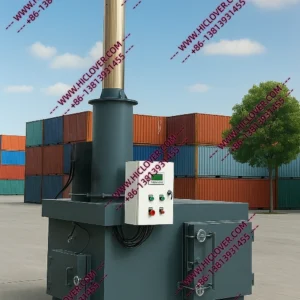
Advanced designs like the PLC-controlled incinerators from HICLOVER combine high-temperature dual-chamber combustion with wet or dry scrubbers, ensuring both sterilization and environmental protection.
Affordable and Adaptable Technology
Modern compact incinerators are no longer limited to large hospitals. Models such as the TS150 series offer automatic operation, low fuel consumption, and simple maintenance. Containerized versions can be rapidly deployed to township hospitals or health centers, particularly in remote areas where centralized infrastructure is unavailable.
For communities facing logistical barriers, mobile incineration units provide on-site treatment flexibility, reducing both transport cost and infection risk.
Toward a Safer Public Health Network
Closing the medical waste “blank spots” requires coordinated investment from local governments, NGOs, and international partners. Scalable technologies like modular incinerators enable equitable access to safe waste disposal for even the smallest healthcare facilities.
Effective local treatment not only protects frontline workers and patients but also strengthens the integrity of national disease-control systems.
Learn More
Explore practical solutions for decentralized waste management at:
-
Custom-made medical waste incinerators for hospitals and clinics
-
Industrial-grade incinerators for large-scale waste disposal
HICLOVER continues to support global healthcare missions with reliable, efficient, and environmentally responsible incineration technology.
Visit www.hiclover.com or email [email protected] for technical specifications and project consultation.